



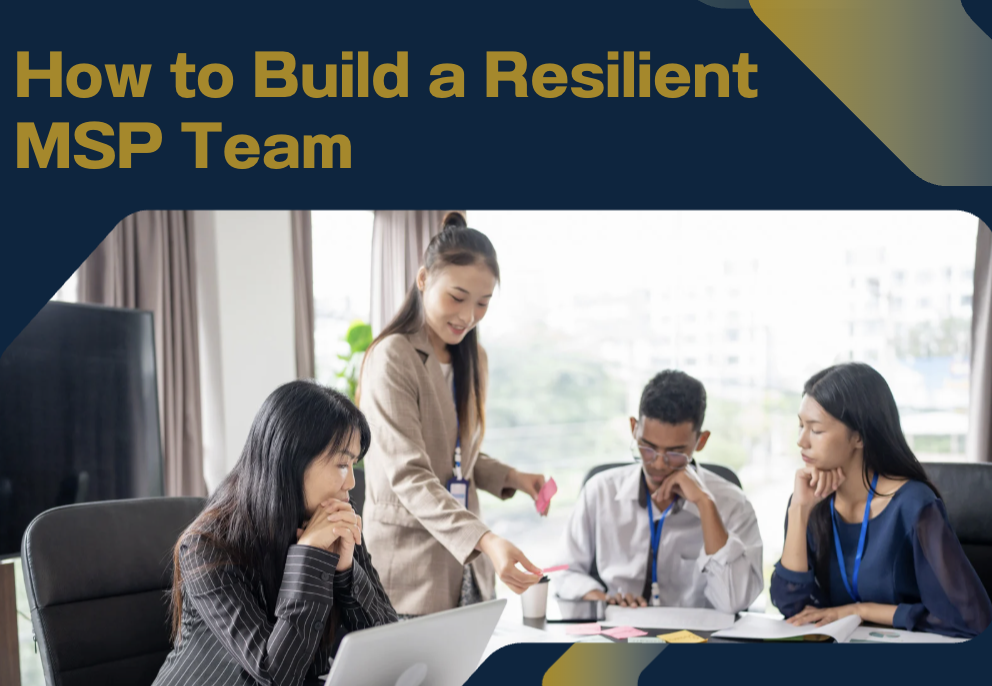
Burnout isn’t just a buzzword thrown around in management circles. It’s a real threat that erodes team morale, drives up turnover costs, and ultimately impacts the quality of service your clients receive.
When talented team members leave because they’re exhausted and overwhelmed, you lose institutional knowledge, client relationships, and the momentum you’ve worked so hard to build. The question isn’t whether stress and burnout exist in your MSP—they almost certainly do. The question is what you’re doing about it. The good news? Creating this resilience isn’t just possible—it’s essential for long-term success.
Creating a Foundation for Team Resilience
Redefining Success and Performance
Resilient teams start with leadership that understands sustainable performance over heroic firefighting. When management celebrates working all weekend to fix a crisis rather than preventing the crisis in the first place, they send a message that burnout is expected and even valued.
Building Psychological Safety
Team members need to feel safe admitting when they’re overwhelmed, asking for help, or requesting a break. Creating this environment means leaders must model vulnerability themselves and respond supportively when staff express concerns about workload or stress.
Practical Strategies for Reducing Team Stress
Workload Distribution and Capacity Planning
Effective capacity planning recognizes that team members cannot maintain maximum output indefinitely. Building buffer time into schedules allows for unexpected issues without creating a constant state of crisis. Regular workload reviews help identify team members approaching burnout before they reach critical levels.
Leveraging Automation to Reduce Repetitive Tasks
Many sources of team stress come from repetitive, manual tasks that consume time without providing intellectual satisfaction. Strategic automation of routine processes frees team members to focus on challenging, meaningful work that utilizes their expertise and maintains engagement.
Fostering Team Connection and Support
Peer Support Systems
Resilient teams support each other through challenges rather than competing or working in isolation. Facilitating regular knowledge-sharing sessions, mentorship relationships, and collaborative problem-solving creates networks of mutual support.
Recognition Beyond Crisis Response
Acknowledging team contributions should extend beyond celebrating emergency responses. Recognizing preventive work, process improvements, and consistent quality performance reinforces that sustainable excellence matters more than constant heroics.
Leadership’s Role in Building Resilience
Modeling Healthy Work Habits
Leaders who consistently work excessive hours, skip vacations, and remain constantly available send powerful messages about expectations regardless of stated policies. When leadership prioritizes its own well-being and maintains boundaries, it gives permission for team members to do the same.
Responding to Warning Signs
Resilient organizations notice and respond to early indicators of team stress rather than waiting for full-blown crises. Changes in communication patterns, declining work quality, increased errors, or withdrawal from team activities all signal that intervention is needed. Addressing these signs proactively prevents more serious problems.
Conclusion
Teams that can weather stress, recover from setbacks, and maintain performance over the long term become your greatest competitive advantage. Investing in team resilience yields returns through improved retention, enhanced service quality, and stronger client relationships.
Ready to build a more resilient team that can handle the demands of modern service delivery without burning out? Contact the Call to Action Team today to discover how we can help you build a thriving, resilient team that drives your MSP’s success for years to come.