

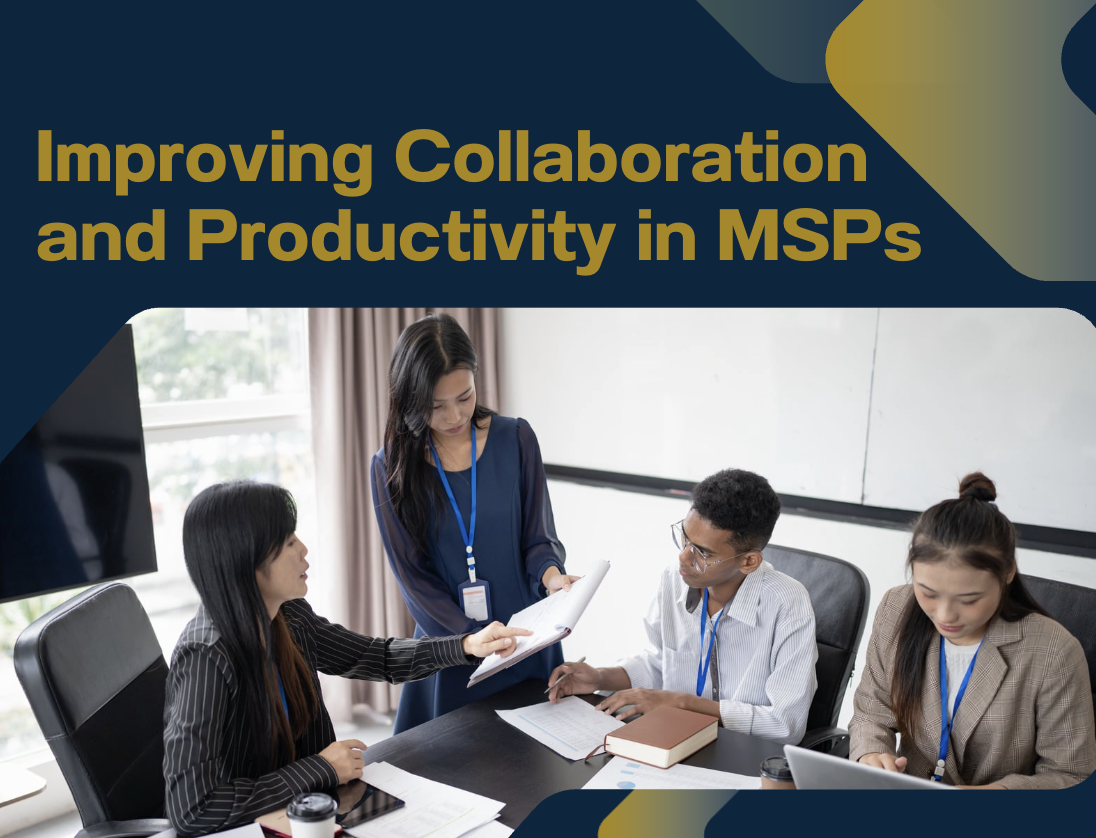
The convergence of staff from different age groups offers immense potential, yet many MSP leaders struggle to harness the collective power of their diverse teams. The challenge isn’t about age; it’s about understanding how different perspectives, experiences, and work styles can either create friction or fuel innovation. When managed effectively, multigenerational teams become your MSP’s greatest competitive advantage, combining wisdom with fresh thinking, stability with agility, and proven methods with bold experimentation.
Recognizing Authentic Differences
Understanding genuine generational distinctions helps MSP leaders create environments where everyone thrives. More tenured team members often bring deep technical knowledge, established client relationships, and problem-solving approaches honed through decades of experience. Less seasoned professionals may offer fresh perspectives on emerging technologies, comfort with rapid change, and innovative approaches to traditional challenges. The key lies in recognizing these differences as complementary rather than conflicting.
Communication Across Generations
Bridging the Communication Gap
Communication preferences vary significantly across demographics, creating potential friction points that savvy MSP leaders must address. Some team members prefer detailed email documentation, while others favor quick messaging apps or brief video calls.
Building Understanding Through Dialogue
Encouraging open conversations about communication preferences fosters mutual respect and understanding within teams. When team members articulate their preferred methods and reasoning, they often discover common ground and develop hybrid approaches that work for everyone. This collaborative approach to establishing communication norms strengthens team cohesion and improves information flow across the organization.
Technology Adoption and Training
Navigating Different Comfort Levels
Technology adoption presents unique challenges in multi-demographic teams. While assumptions about age and technical aptitude are often wrong, real differences exist in how various demographics approach learning new tools and systems. Some team members prefer comprehensive training before implementation, while others prefer hands-on exploration and learning through experience.
Creating Inclusive Training Programs
Effective training programs acknowledge these different learning preferences without making assumptions.. Offering multiple learning pathways, from structured courses to self-paced exploration, ensures all team members can build proficiency with new technologies in ways that suit their learning styles.
Building a Culture of Mutual Respect
Valuing All Contributions
Creating a culture where all members feel valued requires intentional effort from leadership. This means publicly recognizing contributions from team members across various backgrounds, creating mentorship opportunities that flow in multiple directions, and ensuring decision-making processes incorporate diverse perspectives.
Addressing Bias and Assumptions
Unconscious bias affects how team members perceive and interact with each other. Regular discussions about bias, combined with clear expectations for respectful interaction, help create environments where everyone can contribute fully without facing assumptions or limitations.
Conclusion
Managing multi-demographic teams effectively transforms potential friction into powerful synergy. When MSP leaders embrace diversity as a strategic advantage rather than a challenge to overcome, they unlock innovation, strengthen client relationships, and build resilient organizations capable of adapting to whatever the future brings.
Don’t let demographic differences become barriers to your MSP’s success. Our team, led by industry specialists, can help you understand the unique challenges facing modern MSPs and address the human element of business growth that technology alone cannot solve. Contact us today.